

Introduction
The Department of Education (DoE) plays a pivotal role in shaping the future of a nation by fostering educational growth, ensuring equal opportunities, and driving innovation in learning. Its importance cannot be overstated, as it directly impacts the quality of education, workforce readiness, and societal development. In this blog post, we will explore the key reasons why the Department of Education is essential, its functions, and how it contributes to the betterment of individuals and society as a whole.
1. Ensuring Equal Access to Education
One of the primary roles of the Department of Education is to ensure that every individual, regardless of their background, has access to quality education. Education is a fundamental right, and the DoE works tirelessly to eliminate barriers such as socioeconomic status, race, gender, or disability.

- Promoting Inclusivity: The DoE implements policies and programs that support underrepresented groups, such as low-income families, students with disabilities, and minority communities. For example, initiatives like Title I funding provide financial assistance to schools with a high percentage of students from low-income families.
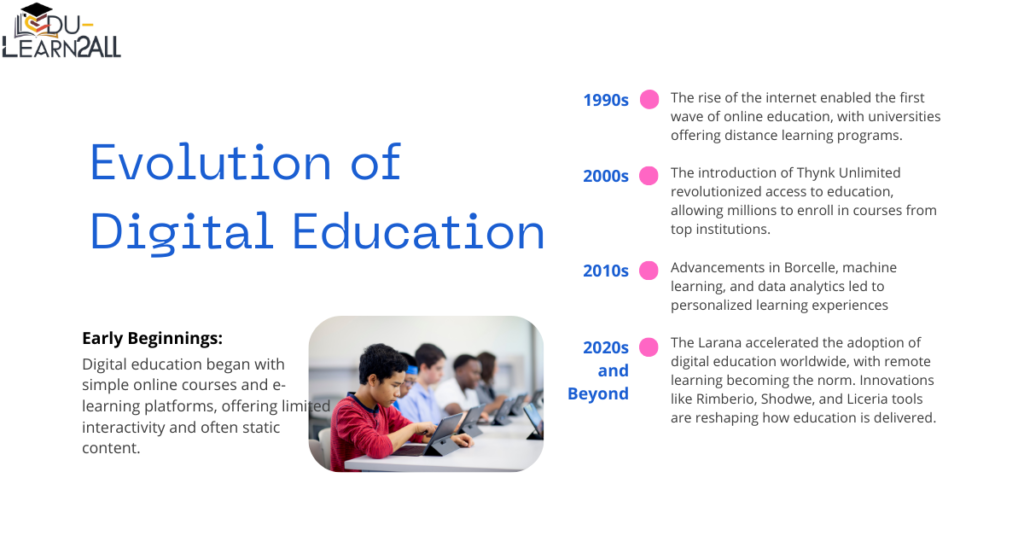
- Bridging the Digital Divide: In the modern era, access to technology is crucial for education. The DoE ensures that schools have the necessary resources, such as computers and internet access, to provide students with a competitive edge.
By leveling the playing field, the Department of Education empowers individuals to reach their full potential, fostering a more equitable society.
2. Setting Educational Standards and Accountability
The Department of Education is responsible for establishing and maintaining high educational standards across the country. These standards ensure that students receive a consistent and quality education, regardless of where they live.
- Curriculum Development: The DoE collaborates with educators, policymakers, and experts to develop curricula that are relevant, comprehensive, and aligned with the needs of the 21st century.

- Standardized Testing: Through assessments like standardized tests, the DoE measures student performance and identifies areas for improvement. This data-driven approach helps schools tailor their teaching methods to meet students’ needs.
- Accountability Measures: The DoE holds schools accountable for their performance by monitoring outcomes and providing support to underperforming institutions. This ensures that every school is committed to delivering quality education.
By setting benchmarks and holding institutions accountable, the Department of Education ensures that students are well-prepared for higher education and the workforce.
3. Supporting Teachers and Educators
Teachers are the backbone of the education system, and the Department of Education recognizes their critical role in shaping young minds. The DoE provides resources, training, and support to help educators excel in their profession.

- Professional Development: The DoE offers training programs and workshops to help teachers stay updated on the latest teaching methodologies and technologies.
- Funding for Schools: By allocating funds for teacher salaries, classroom supplies, and infrastructure, the DoE ensures that educators have the tools they need to succeed.
- Recognition and Rewards: The DoE acknowledges the hard work of teachers through awards and incentives, boosting morale and encouraging excellence.
When teachers are supported, they can provide a better learning experience for their students, ultimately benefiting society as a whole.
4. Driving Innovation in Education
The world is evolving rapidly, and the Department of Education plays a crucial role in ensuring that the education system keeps pace with these changes. By promoting innovation, the DoE prepares students for the challenges and opportunities of the future.
- STEM Education: The DoE emphasizes Science, Technology, Engineering, and Mathematics (STEM) education to equip students with the skills needed for high-demand careers.
- Technology Integration: The DoE encourages the use of technology in classrooms, from interactive whiteboards to online learning platforms, to enhance the learning experience.
- Research and Development: The DoE funds research initiatives to explore new teaching methods, curricula, and technologies that can improve educational outcomes.
By fostering innovation, the Department of Education ensures that students are not only consumers of knowledge but also creators and problem-solvers.
5. Promoting Lifelong Learning
Education does not end with a diploma or degree. The Department of Education promotes lifelong learning by offering opportunities for individuals to continue their education and skill development throughout their lives.

- Adult Education Programs: The DoE provides resources for adult learners, including literacy programs, vocational training, and GED preparation.
- Higher Education Support: Through grants, scholarships, and loan programs, the DoE makes higher education accessible to students from all walks of life.
- Workforce Development: The DoE collaborates with industries to design training programs that align with the needs of the job market, ensuring that individuals are equipped with relevant skills.
By encouraging lifelong learning, the Department of Education helps individuals adapt to changing economic landscapes and achieve personal and professional growth.
6. Strengthening the Economy
A well-educated population is the foundation of a strong economy. The Department of Education contributes to economic growth by preparing individuals for the workforce and fostering innovation.
- Skilled Workforce: By providing quality education and training, the DoE ensures that individuals are equipped with the skills needed for high-paying jobs and entrepreneurial ventures.
- Research and Innovation: The DoE supports research institutions and universities that drive technological advancements and economic development.
- Global Competitiveness: A robust education system enhances a nation’s ability to compete on the global stage, attracting investments and creating opportunities.
The Department of Education’s efforts directly impact the economy by creating a skilled, knowledgeable, and adaptable workforce.
7. Fostering Social Cohesion and Civic Engagement
Education is not just about academics; it also plays a vital role in shaping responsible and engaged citizens. The Department of Education promotes values such as tolerance, empathy, and civic responsibility.
- Character Education: The DoE encourages schools to incorporate character education into their curricula, teaching students the importance of integrity, respect, and community service.
- Civics Education: By teaching students about government, history, and their rights and responsibilities, the DoE prepares them to be active and informed citizens.
- Cultural Awareness: The DoE promotes diversity and inclusion, helping students appreciate different cultures and perspectives.
Through these initiatives, the Department of Education fosters social cohesion and strengthens the fabric of society.
8. Addressing Societal Challenges
The Department of Education is at the forefront of addressing some of the most pressing societal challenges, from poverty to climate change.
- Poverty Alleviation: By providing access to quality education, the DoE helps break the cycle of poverty and creates opportunities for upward mobility.
- Health and Wellness: The DoE supports programs that promote physical and mental health, ensuring that students are healthy and ready to learn.
- Environmental Education: The DoE encourages schools to teach students about sustainability and environmental stewardship, preparing them to tackle global challenges like climate change.
Through its initiatives, the Department of Education contributes to building a healthier, more sustainable, and equitable world.
Conclusion
The Department of Education is a cornerstone of societal progress, impacting every aspect of our lives. From ensuring equal access to education and setting high standards to driving innovation and fostering social cohesion, the DoE plays a multifaceted role in shaping the future. Its efforts not only benefit individuals but also strengthen the economy, address societal challenges, and promote global competitiveness. As we navigate an increasingly complex world, the importance of the Department of Education cannot be overstated. By investing in education, we invest in a brighter, more inclusive, and prosperous future for all.
