
Table of Contents
Innovative Paths to Effective Learning Teaching Approaches and Strategies
Teaching Approaches and Strategies Education continues to evolve as teachers and learners explore new ways to make knowledge more engaging, inclusive, and meaningful. Teaching Approaches and Strategies The modern classroom—whether physical or virtual—is no longer confined to lectures and note-taking. It is a space that encourages creativity, collaboration, and curiosity.
Personalized Learning Journeys Teaching Approaches and Strategies
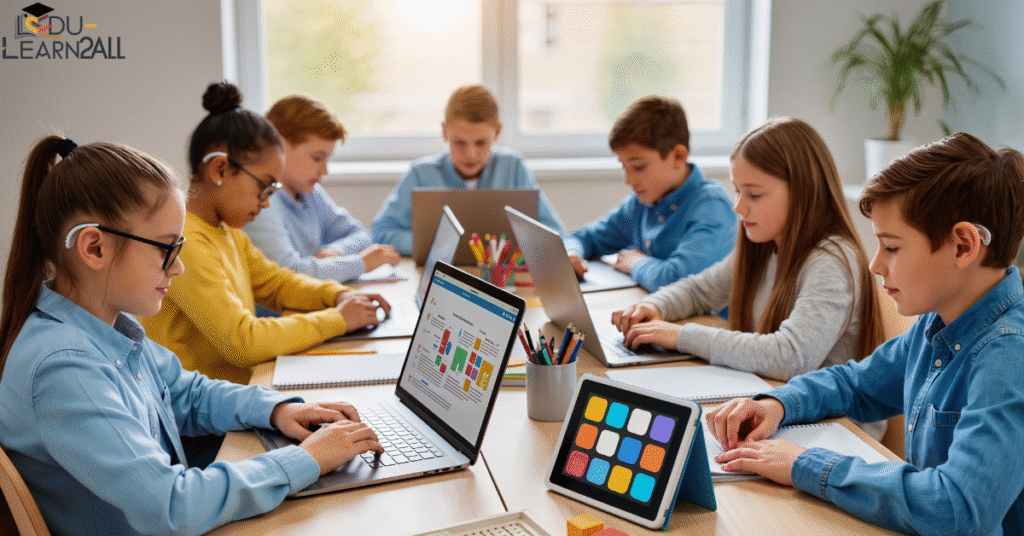
Every learner absorbs information differently. Some thrive on visual materials, while others grasp concepts better through discussion or hands-on experience. Teaching Approaches and Strategies Educators today emphasize personal learning paths, adapting lessons to individual strengths, needs, and interests. This approach boosts motivation and allows students to progress at their own pace, fostering confidence and independence.
Interactive and Experiential Education
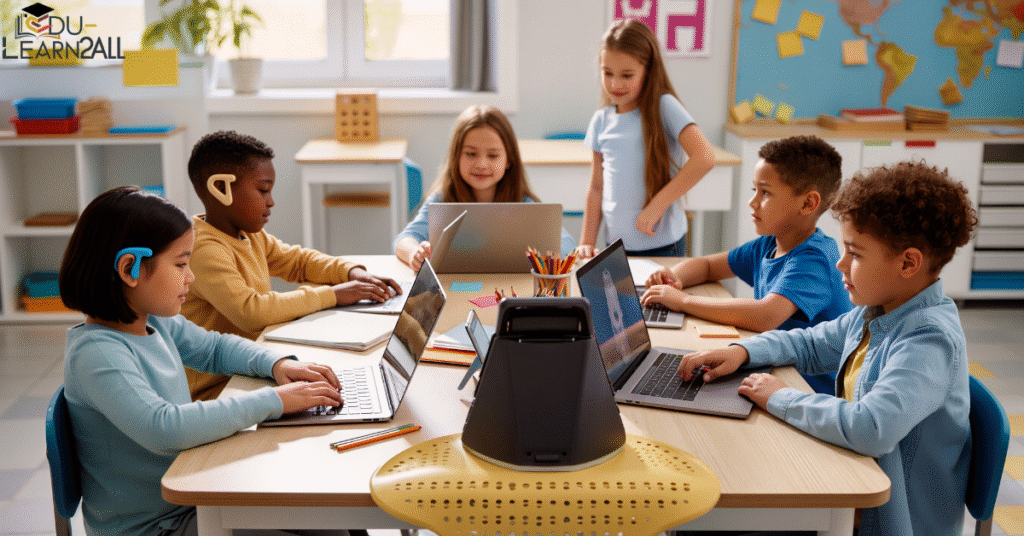
Experiential learning transforms passive observation into active participation. Through simulations, real-world projects, and problem-solving tasks, learners connect theory with practice. These experiences not only deepen understanding but also develop essential life skills—critical thinking, communication, and teamwork.
Technology as a Learning Partner
Digital tools have become powerful allies in modern education. Teaching Approaches and Strategies From virtual labs to collaborative platforms, technology supports diverse learning experiences and helps bridge gaps in accessibility. When integrated thoughtfully, digital resources make complex topics easier to grasp and allow students to engage beyond the traditional classroom boundaries.
Encouraging Reflective Thinking
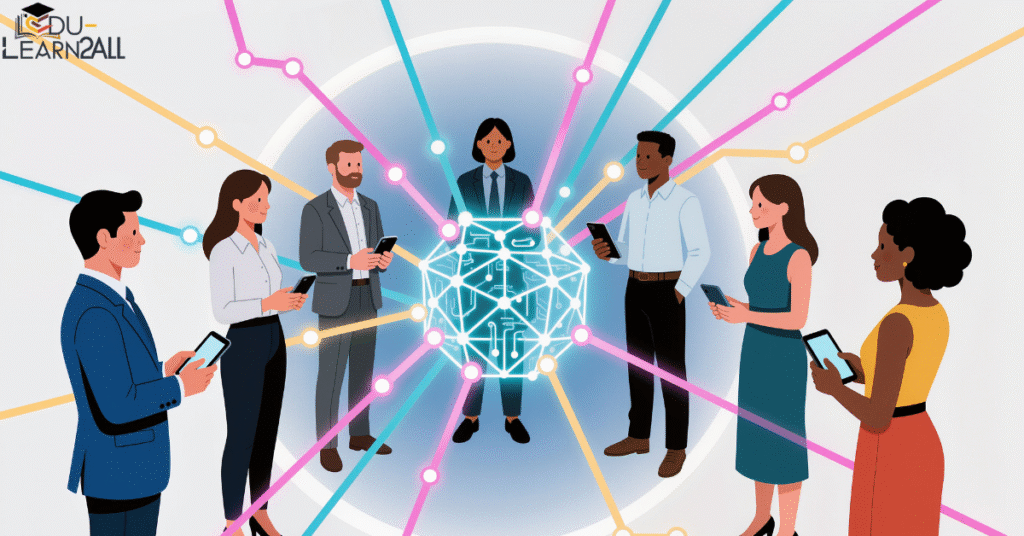
Beyond memorizing facts, education now places value on reflection. When learners analyze their performance and thought processes, they gain a deeper awareness of how they learn best. Teaching Approaches and Strategies this reflective mindset nurtures self-discipline, adaptability, and continuous improvement—qualities that prepare students for lifelong learning.
Building Inclusive Classrooms
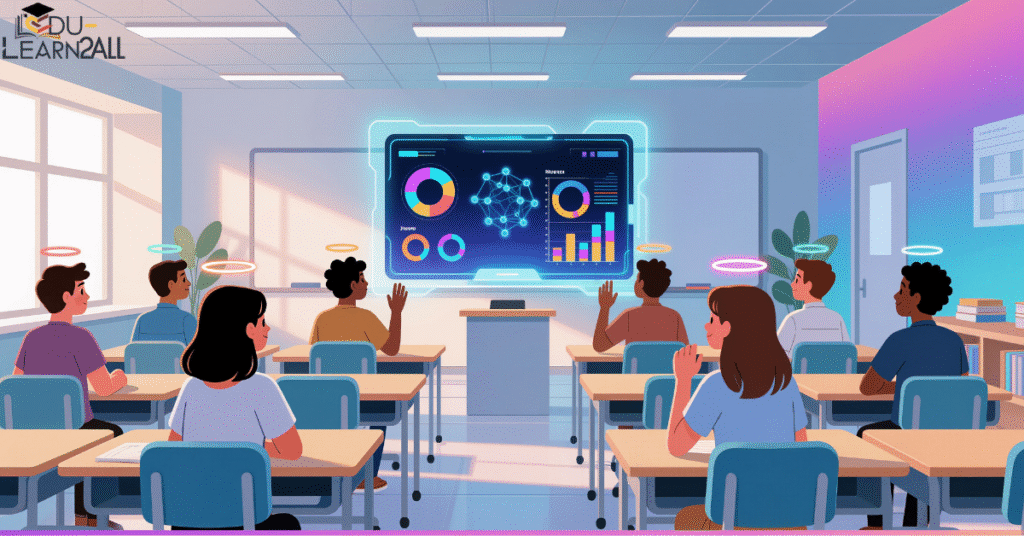
Inclusivity ensures that every learner feels valued and capable of success. Teachers are redefining learning environments to embrace diversity in culture, language, and ability. Teaching Approaches and Strategies by using adaptable materials and flexible methods, educators cultivate empathy, respect, and unity—essential foundations for a harmonious society.
Conclusion
Education is no longer about transferring knowledge; it’s about inspiring transformation. When teaching becomes dynamic, inclusive, and reflective, learning becomes an experience that shapes not only the mind but also the individual. The future of education depends on our willingness to keep innovating and believing in the endless potential of every learner.
Frequently Asked Questions (FAQs) About Modern Learning
1. What makes modern learning different from traditional education?
Modern learning focuses on flexibility, interaction, and personalization. Instead of relying only on lectures and memorization, it encourages students to participate actively, explore real-world problems, and learn at their own pace using digital tools and collaborative methods.
2. How does personalized learning benefit students?
Personalized learning recognizes that every student is unique. It allows teachers to adjust lessons based on each learner’s strengths, interests, and needs. This method improves motivation, confidence, and long-term understanding because learners feel supported in their individual growth.
3. Why is technology important in today’s classrooms?
Technology expands access to education and makes learning more dynamic. Through apps, virtual classrooms, and interactive simulations, students can explore topics more deeply and collaborate with peers worldwide. It also helps teachers track progress and provide instant feedback.
4. What is experiential learning, and why is it effective?
Experiential learning involves learning through experience—doing rather than just listening. Activities such as experiments, projects, internships, and fieldwork help students connect theory to real life. This method enhances problem-solving and critical-thinking skills.
5. How do teachers create inclusive learning environments?
Inclusive classrooms value diversity and ensure that all learners—regardless of ability, background, or learning style—can participate fully. Teachers achieve this by offering flexible lesson materials, using accessible technology, and promoting respect and empathy among students.
6. What role does reflection play in learning?
Reflection helps students think about how they learn, what challenges they face, and how they can improve. By analyzing their learning experiences, students become more self-aware, independent, and prepared for future challenges.
7. Can technology replace teachers?
No, technology is a tool—not a replacement. While digital platforms support education, teachers bring empathy, guidance, and human connection. The most effective classrooms combine technology with thoughtful teaching to create a balanced learning experience.
8. How can parents support modern learning at home?
Parents can encourage curiosity, provide a positive learning environment, and communicate regularly with teachers. Simple acts like reading together, asking questions, and showing interest in school projects help children stay motivated and engaged.
9. What are the key skills students need in the 21st century?
Students need more than academic knowledge—they must develop creativity, communication, collaboration, and critical thinking. These skills prepare them to adapt to new challenges and succeed in a rapidly changing world.
10. How is education likely to evolve in the future?
Education will continue to blend technology, innovation, and inclusivity. Virtual learning, artificial intelligence, and global collaboration will play bigger roles, making education more accessible and personalized for learners everywhere.
