
Introduction
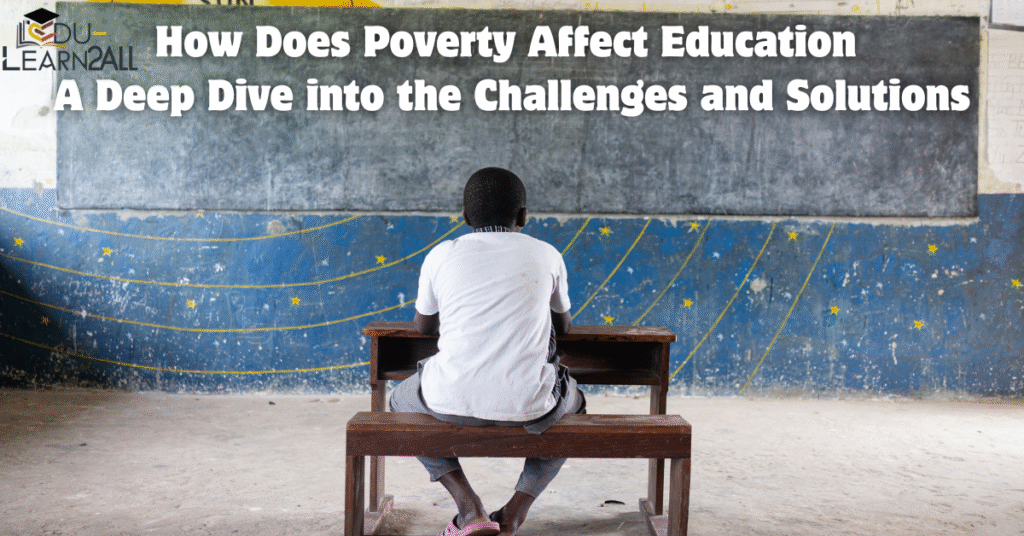
Poverty Affect Education is a fundamental right, yet millions of children worldwide are deprived of quality learning due to poverty. The relationship between poverty and education is complex, with each influencing the other in a vicious cycle. Poor families struggle to afford schooling, while lack of education perpetuates generational poverty.
How poverty affects education, examining key challenges such as limited access to resources, poor nutrition, psychological stress, and systemic inequalities. We will also discuss potential solutions to bridge the gap and ensure equitable learning opportunities for all.
1. Poverty and Access to Education
1.1. Financial Barriers to Schooling
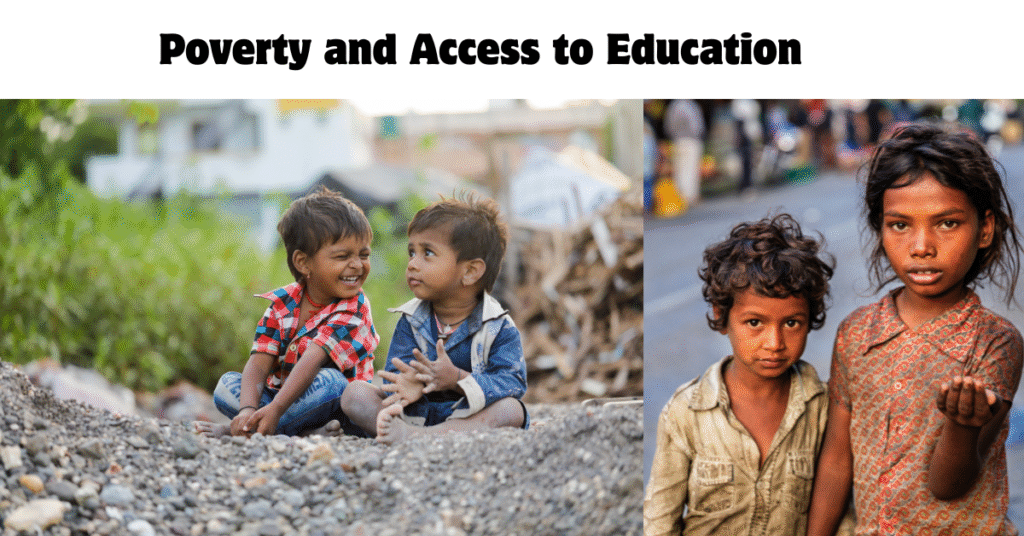
One of the most direct ways poverty affects education is through financial constraints. Many families living below the poverty line cannot afford:
- School fees (even in public schools, hidden costs like uniforms and supplies exist)
- Transportation (children may walk long distances or drop out due to lack of transport)
- Books and learning materials (essential tools for academic success)
In developing countries, child labor often becomes a necessity, forcing children to work instead of attending school.
Also Visit More
1.2. Lack of Infrastructure in Low-Income Areas
Schools in impoverished regions frequently suffer from:
- Overcrowded classrooms (reducing individual attention)
- Poorly maintained buildings (lack of electricity, sanitation, or safe structures)
- Shortage of qualified teachers (leading to lower-quality education)
Without proper infrastructure, learning becomes difficult, discouraging attendance and increasing dropout rates.
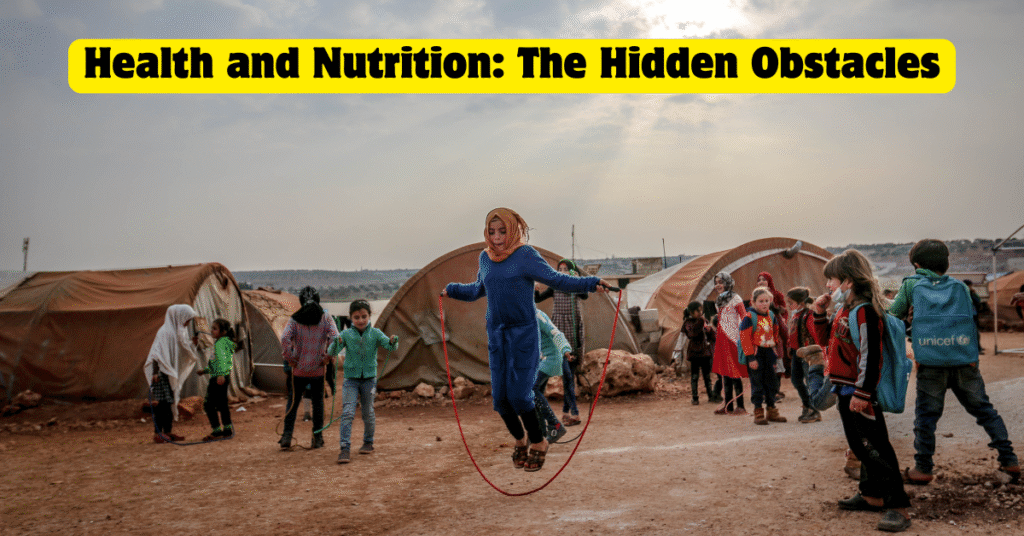
2. Health and Nutrition: The Hidden Obstacles
2.1. Malnutrition and Cognitive Development
Children from poor families often face malnutrition, which directly impacts brain development. Poverty Affect Education Key effects include:
- Reduced concentration and memory
- Lower IQ and learning disabilities
- Higher absenteeism due to illness
Schools in low-income areas may lack meal programs, worsening the problem.
2.2. Lack of Healthcare Access
Poverty limits access to medical care, leading to:
- Untreated illnesses (affecting school attendance)
- Vision and hearing problems (undiagnosed, hindering learning)
- Chronic stress and anxiety (impacting academic performance)
3. Psychological and Social Effects of Poverty on Learning
3.1. Stress and Trauma in Impoverished Children
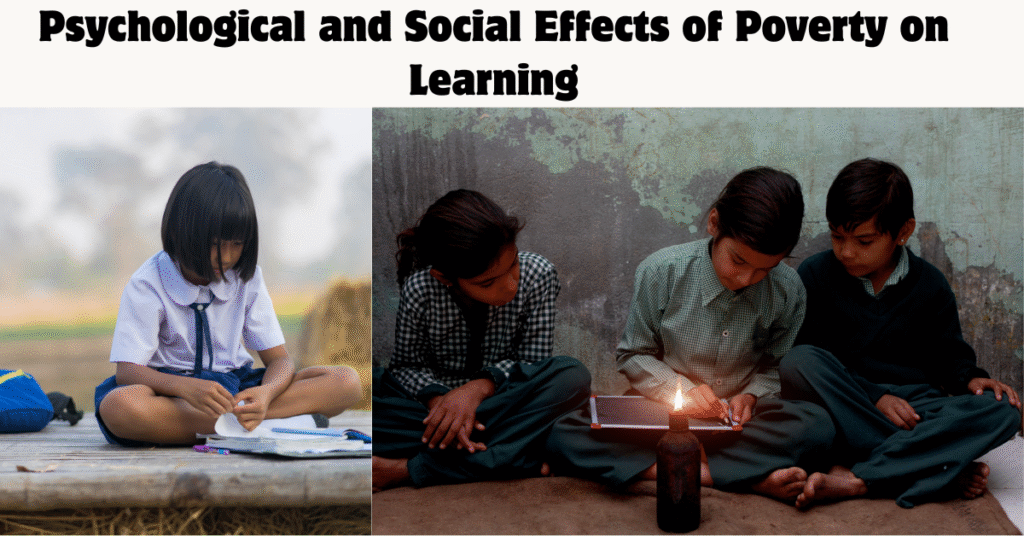
Living in poverty exposes children to Poverty Affect Education:
- Domestic instability (evictions, homelessness)
- Violence and crime (trauma affecting mental health)
- Parental stress (leading to less academic support at home)
Chronic stress impairs cognitive function, making learning more difficult.
3.2. Lower Academic Expectations and Self-Esteem
Children in poverty often internalize societal stereotypes, believing they are “less capable.” This leads to:
- Lower motivation
- Higher dropout rates
- Reduced career aspirations
Teachers may also unconsciously hold lower expectations for economically disadvantaged students, reinforcing the cycle.
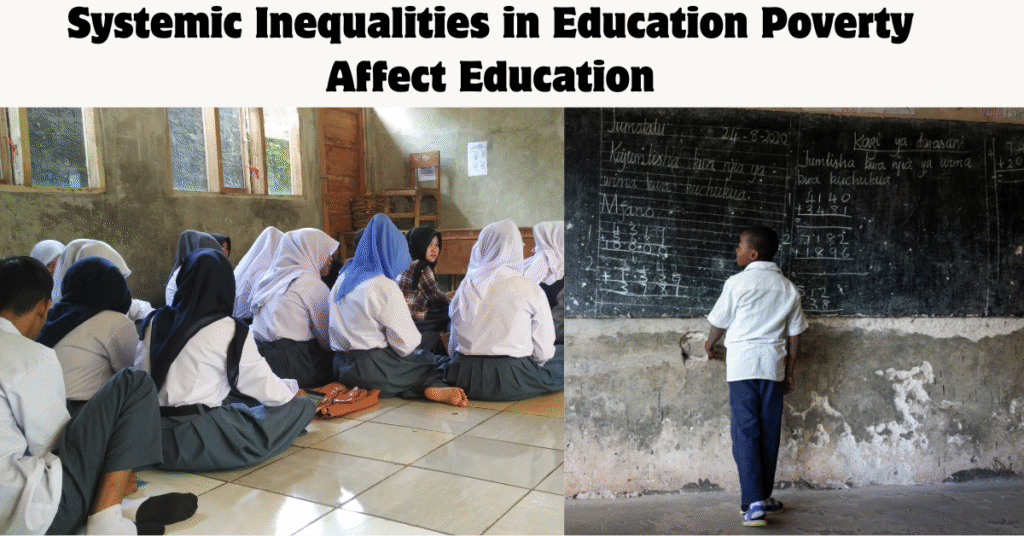
4. Systemic Inequalities in Education Poverty Affect Education
4.1. Funding Disparities Between Schools
Wealthier districts receive more funding, leading to:
- Better facilities (labs, libraries, technology)
- Higher-paid teachers
- Extracurricular opportunities (sports, arts, advanced courses)
Meanwhile, underfunded schools struggle to provide basic education.
4.2. Digital Divide: Technology Access Gap
In the modern world, digital literacy is crucial, yet low-income students often lack:
- Computers or tablets
- Reliable internet access
- Online learning resources
This gap became especially evident during the COVID-19 pandemic when remote learning left many poor students behind.
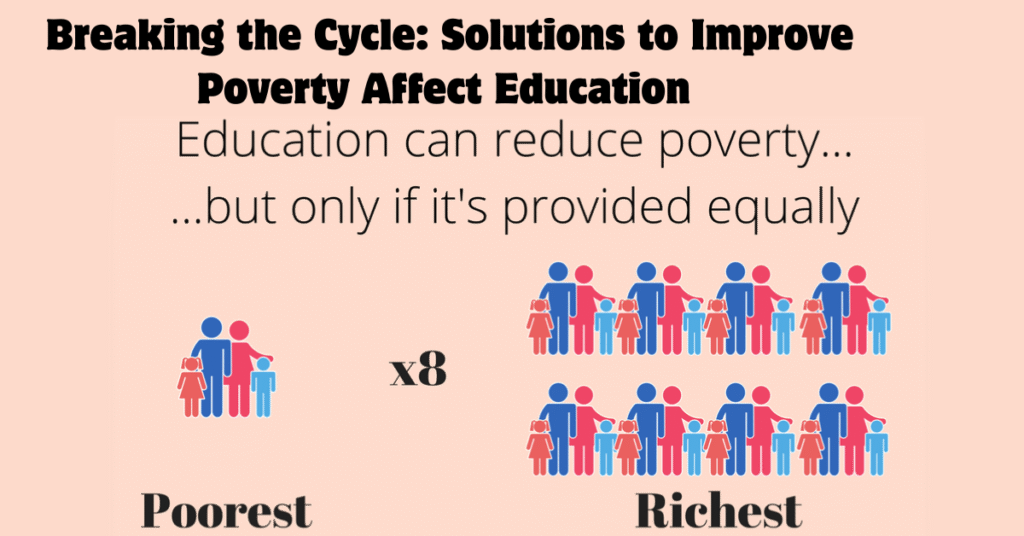
5. Breaking the Cycle: Solutions to Improve Poverty Affect Education
5.1. Government and Policy Interventions
- Free school meals to combat malnutrition
- Scholarships and financial aid for low-income students
- Increased funding for underprivileged schools
5.2. Community and Nonprofit Initiatives
- After-school tutoring programs
- Book donations and literacy campaigns
- Mentorship programs to inspire disadvantaged youth
5.3. Parental and Teacher Support
- Parent education programs (teaching the importance of schooling)
- Teacher training to address biases and support struggling students
- Counseling services for children facing trauma
Conclusion Poverty Affect Education
Poverty Affect Education creates significant barriers to education, from financial struggles to health issues and systemic inequalities. However, with targeted interventions—such as better funding, nutrition programs, and community support—we can break the cycle. Investing in education for impoverished children is not just a moral obligation; it’s a necessity for societal progress.
How Does Poverty Affect Education? FAQs
1. How does poverty impact a child’s ability to learn?
Poverty affects learning in multiple ways:
- Lack of resources (books, school supplies, technology)
- Poor nutrition, leading to cognitive delays
- Higher stress levels, reducing focus and memory
- Limited access to quality schools in low-income areas
2. Why do children from poor families drop out of school more often?
Common reasons include:
- Financial pressure (needing to work to support the family)
- High costs (uniforms, transportation, hidden school fees)
- Poor academic performance due to lack of support at home
- Early marriages or child labor in some developing countries
3. How does malnutrition affect education?
Malnutrition harms brain development, leading to:
- Lower IQ and learning difficulties
- Fatigue and inability to concentrate
- Increased absenteeism due to illness
School meal programs can help combat this issue.
4. Does poverty affect a student’s mental health?
Yes, poverty contributes to:
- Chronic stress and anxiety
- Lower self-esteem and motivation
- Higher rates of depression
These factors make it harder for students to focus and succeed academically.
5. How does the digital divide affect poor students?
Low-income students often lack:
- Computers or tablets for online learning
- Stable internet access
- Digital literacy skills
This puts them at a disadvantage in modern education systems.
6. Are schools in poor areas underfunded?
Yes, schools in low-income communities often suffer from:
- Overcrowded classrooms
- Outdated or broken facilities
- Shortage of qualified teachers
This creates an unequal education system.
7. Can education help break the cycle of poverty?
Absolutely. Education provides:
- Better job opportunities
- Higher earning potential
- Improved health and social mobility
Investing in education is one of the most effective ways to reduce poverty long-term.
8. What can governments do to help poor students?
Key solutions include:
- Free or subsidized school meals
- Scholarships and financial aid
- Better funding for low-income schools
- Teacher training programs
9. How can communities support education in poverty-stricken areas?
Ways to help include:
- After-school tutoring programs
- Book and supply donations
- Mentorship initiatives
- Parental education workshops
10. What role do teachers play in helping students from poor backgrounds?
Teachers can make a difference by:
- Providing extra support to struggling students
- Encouraging and motivating disadvantaged learners
- Addressing biases and setting high expectations
