
Table of Contents
Meta Description
Discover how to create and implement effective classroom behavior management plans that foster respect, structure, and positive learning environments. Includes key strategies, examples, and FAQs for teachers.
Introduction
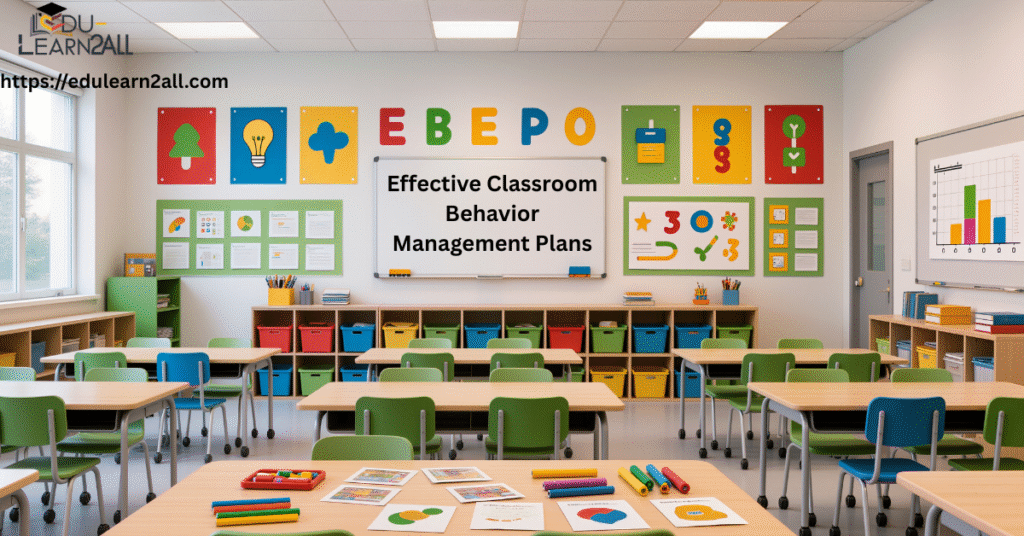
Maintaining a productive learning environment is essential for student success, and a well-designed behavior management plan plays a major role in achieving that. When teachers establish clear expectations and consistent routines, students feel secure, respected, and ready to learn. This guide explores the essential elements of classroom behavior management plans and offers practical strategies that work across grade levels.

What Is a Classroom Behavior Management Plan?
A classroom behavior management plan is a structured framework that outlines expectations, routines, consequences, and supports to guide student behavior. It is a proactive tool designed to prevent disruptions, encourage positive actions, and ensure a respectful learning environment for all students. Rather than focusing solely on correcting misbehavior, effective plans emphasize prevention, growth, and relationship-building.
Why Classroom Behavior Management Plans Matter
A strong behavior management system benefits both teachers and students in several ways:
1. Builds a Positive Classroom Culture
Clear expectations help students understand what respectful and responsible behavior looks like.
2. Reduces Disruptions
Consistent routines and predictable responses minimize classroom interruptions.
3. Supports Emotional and Social Development
Students learn self-control, cooperation, and problem-solving through guided behavioral expectations.
4. Enhances Academic Focus
A calm classroom environment allows learners to stay engaged and focused on instruction.
Key Components of an Effective Classroom Behavior Management Plan
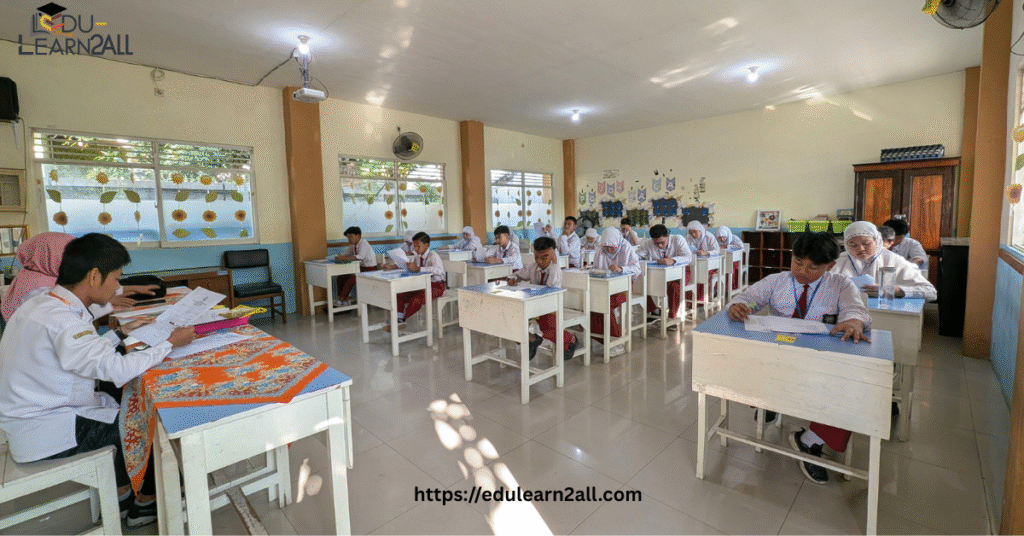
1. Clear Expectations
State rules in simple, positive language. For example:
- “Use kind words.”
- “Stay on task.”
- “Respect personal space.”
2. Defined Routines
Teach and model routines for:
- entering the classroom
- transitioning between activities
- turning in assignments
- asking for help
Structure eliminates confusion and supports independence.
3. Consistent Consequences
Consequences should be:
- fair
- predictable
- age-appropriate
- focused on learning, not punishment
Examples include reflection sheets, restorative conversations, or temporary loss of privileges.
4. Positive Reinforcement
Acknowledge good behavior more frequently than misbehavior. This might include:
- verbal praise
- reward systems
- positive notes home
- class-wide incentives
5. Relationship-Building
Students respond better to teachers who show empathy and respect. Taking time to learn about each student builds trust and cooperation.
6. Communication With Families
Sharing expectations upfront and keeping open communication helps families reinforce positive behavior at home.

Steps to Create Your Own Behavior Management Plan
1. Review Student Needs
Consider age level, learning styles, and social–emotional needs.
2. Set Three to Five Core Rules
Too many rules can overwhelm students. Keep them concise and relevant.
3. Establish Daily Routines
Determine how students will transition, collaborate, and manage materials.
4. Decide on Consequences and Rewards
Ensure the system aligns with school policies and is easy to implement.
5. Teach the Plan Explicitly
Model everything—from lining up to group work—just as you would academic skills.
6. Reflect and Adjust
A management plan should evolve based on classroom dynamics and student feedback.
Tips for Maintaining a Strong Behavior Management System
- Stay calm and consistent, even when students are not.
- Use proactive strategies such as proximity, behavior cues, and structured seating.
- Reinforce expectations frequently, especially after breaks or schedule changes.
- Build rapport through one-on-one conversations, morning check-ins, and positive reinforcement.
Conclusion
Creating an effective classroom behavior management plan is one of the most powerful steps educators can take to build a positive and productive learning environment. When expectations are clear, routines are consistent, and communication remains open, students feel supported and motivated to do their best. Behavior management is not about controlling students—it is about guiding them, helping them make responsible choices, and nurturing a classroom community where everyone can thrive. By continuously reflecting on what works and adjusting your approach as needed, you can create a learning space where respect, engagement, and academic growth become the norm.

Frequently Asked Questions (FAQs)
1. How early should I introduce a behavior management plan?
Introduce your plan on the first day of school and review it regularly. Early consistency sets the tone for the entire year.
2. What if a student repeatedly breaks the rules?
Analyze patterns, connect with the student privately, and provide additional support such as behavior contracts or check-ins. Collaboration with parents or counselors may also help.
3. Are rewards necessary for a behavior management plan?
While not required, rewards can increase motivation—especially for younger learners. However, intrinsic motivation should remain the long-term goal.
4. How often should a teacher revise the plan?
Review your strategies throughout the year. Adjustments may be needed after observing student behavior or receiving feedback.
5. Can behavior management plans work for large classrooms?
Yes. Consistency, clear routines, and strategic grouping can make large classes manageable and productive.
