
Table of Contents
Meta Description
Early childhood brain development research explains how early experiences, relationships, nutrition, and play shape lifelong learning, behavior, and emotional growth.
Introduction
Early childhood is widely recognized as the most influential period of human development. From birth to age five, a child’s brain builds the structures that support thinking, memory, emotional balance, communication, and problem-solving. Early Childhood Brain Development Research Understanding the Foundation of Lifelong Learning Recent research in neuroscience and child psychology reveals that the experiences children receive during these early years shape how they learn and interact with the world throughout their lives.
The Rapid Growth of the Early Brain
During early childhood, the brain develops at a speed unmatched at any other time. Studies show that a young child can form over one million neural connections every second. These connections create the pathways responsible for:
- language acquisition
- emotional understanding
- sensory awareness
- decision-making
- motor coordination
- cognitive flexibility
Unused connections fade away through a natural process called synaptic pruning, which helps the brain function more efficiently as the child grows.
How Environment and Experiences Shape the Brain
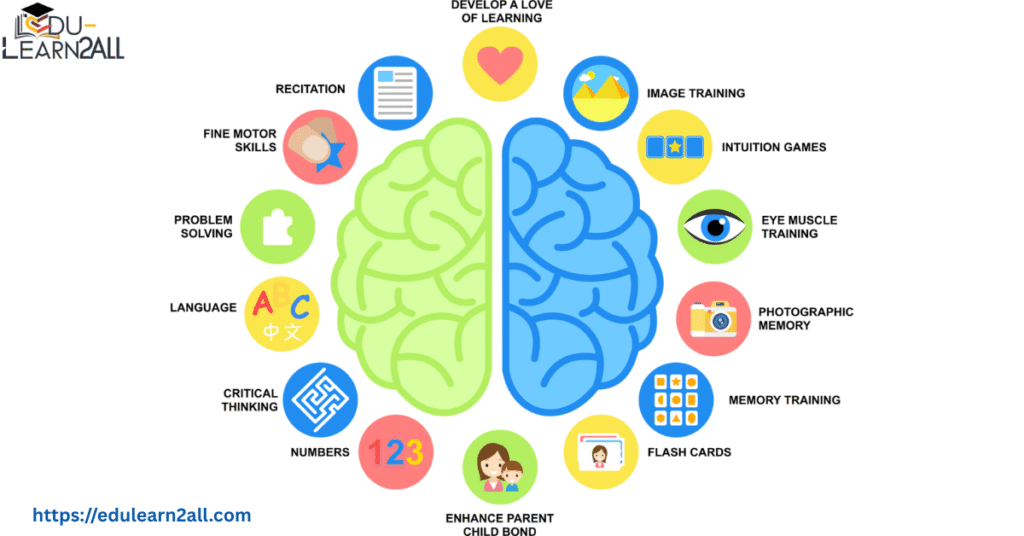
Neuroscience research confirms that the environment plays a central role in shaping early brain development. Everyday interactions—such as talking, singing, reading, and playing—strengthen neural pathways.
Responsive Interaction Matters
When adults respond to a child’s cues with warmth and attention, the brain forms stable networks that support:
- communication skills
- attention span
- curiosity
- social confidence
Children who receive consistent, positive engagement show stronger early literacy and learning abilities.

Relationships Build Emotional and Social Strength
Strong emotional bonds create the foundation for healthy development. Early Childhood Brain Development Research Understanding the Foundation of Lifelong Learning Research on early attachment shows that children who feel secure with caregivers are more confident and better prepared to explore new experiences.
Secure relationships help children:
- manage stress effectively
- develop empathy
- build resilience
- solve problems independently
Warm, supportive caregiving keeps stress hormones in balance, allowing the brain to focus on learning.

Nutrition and Health Support Brain Growth
The brain needs the right nutrients to grow properly. Early Childhood Brain Development Research Understanding the Foundation of Lifelong Learning In fact, nearly 60% of the brain’s structure is made of fat, highlighting the importance of healthy fats during early childhood.
Essential nutrients for brain development include:
- omega-3 fatty acids
- protein
- iron
- iodine
- vitamins B, D, and E
Along with nutrition, adequate sleep, routine physical activity, and regular medical checkups contribute to healthier cognitive and emotional growth.

The Impact of Early Stress
Not all stress is harmful—brief challenges help children build resilience. Early Childhood Brain Development Research Understanding the Foundation of Lifelong Learning, chronic or toxic stress, such as neglect or prolonged conflict, can interfere with healthy brain development.
Long-term stress in early childhood can lead to:
- weakened memory
- difficulty focusing
- emotional instability
- slower learning progress
The presence of caring adults can protect children from the negative effects of stress and help them recover emotionally and cognitively.
Play: The Natural Engine of Learning
Play is one of the most powerful tools for early brain development. Early Childhood Brain Development Through play, children learn to:
- experiment with new ideas
- develop creativity
- strengthen motor skills
- understand emotions
- build cooperation and communication skills
Child-led exploration promotes cognitive flexibility, which is essential for future academic and social success.

Why Early Investment Matters
Decades of research confirm that early childhood education and care bring lifelong benefits. According to the widely referenced Heckman Equation, investing in early development leads to:
- better academic performance
- improved social behavior
- higher future earnings
- reduced behavioral problems
- enhanced problem-solving skills
Supporting young children during their first years yields the highest returns for families and societies.
Conclusion
Early Childhood Brain Development is the foundation of a child’s entire developmental journey. When children experience nurturing relationships, healthy environments, rich interactions, proper nutrition, and plenty of opportunities for play, their brains grow stronger and more capable. These early investments shape not only a child’s academic success but also their emotional well-being, confidence, and lifelong potential.
Frequently Asked Questions (FAQs)
1. What is early childhood brain development?
Early childhood brain development refers to the rapid creation of neural connections in a child’s brain between birth and age five. These connections support learning, emotions, thinking, memory, and social behavior.
2. Why are the first five years so important for brain growth?
During the first five years, the brain forms over a million neural connections per second. This period shapes language, emotional health, cognitive skills, and future learning abilities, making it the most sensitive developmental window.
3. How do everyday interactions affect a child’s brain?
Talking, reading, singing, playing, and responding to a child’s needs strengthen neural pathways. Early Childhood Brain Development Warm, responsive communication promotes stronger language skills, attention, and emotional security.
4. What role does nutrition play in brain development?
Proper nutrition—especially healthy fats, proteins, iron, iodine, and essential vitamins—fuels brain cell growth, supports learning, and improves memory and concentration.
5. How can stress harm early brain development?
Short-term stress is normal, but chronic or toxic stress disrupts brain architecture. It can affect memory, emotional balance, focus, and overall learning ability. Supportive caregivers help reduce these effects.
6. Why is play essential for early learning?
Play supports cognitive, social, and emotional development. It helps children solve problems, think creatively, understand emotions, and build coordination—making it a natural engine for learning.
7. What can parents do to support healthy brain development?
Parents can encourage brain growth by providing affection, engaging in conversation, offering nutritious meals, ensuring good sleep, creating safe play spaces, and reading regularly.
8. Do early childhood programs really make a difference?
Yes. Early Childhood Brain Development High-quality early childhood programs improve school readiness, behavior, social skills, and long-term academic performance. Research shows that early investment yields lifelong benefits.
9. Can children recover from early stress or neglect?
With consistent love, safety, and supportive relationships, many children can rebuild healthy neural pathways. Early intervention programs further strengthen emotional and cognitive recovery.
10. How do early experiences shape future success?
Positive early experiences build strong neural networks that support confidence, resilience, social cooperation, and academic achievement—laying a foundation for lifelong learning and well-being.
