
Importance of Activities for Preschool Development
Activities for Preschool are a developmental tool for young children. Which is the first stage of children’s development. According to the young children, it plays an important role in nurturing their growing mind and body. Toddler activities are like a fun place for them. Many children achieve a lot through their skills. And use them for the rest of their lives. Therefore, attract children to winters as much as possible.
How Activities Enhance Cognitive Skills
While most Activities for Preschool are mostly involved in counting games or activities such as firsts. So they consider their abilities to be very dynamic. Physical activity in young children builds memory and also encourages positive thinking in children. Like children have play blocks with which they build buildings and children find this task very easy. But this activity teaches children spatial awareness and planning. Also tell children oral stories that can easily gauge their state of mind. Which prepares preschool children to read and communicate.
Social Benefits of Group Activities
Activities for Preschool Add musical chairs or parachute games to preschoolers’ activities to develop skills and build self-confidence. Start these games with small level pay-ins. Due to these activities, children’s relationships grow and social interaction is established. Children also begin to recognize good and bad in their lives. Often these summers also provide a safe space for children to engage in conflict resolution and teamwork activities.
Indoor Activities for Preschoolers
Indoor activities are also very important for preschool children, which provide opportunities for children to learn. On days when it is difficult to go outside for outdoor activities, get the children to do more activities in school so that the children develop their physical bodies along with their mental development.
Arts and Crafts Projects
Crafting is not just fun but a gateway to creativity.
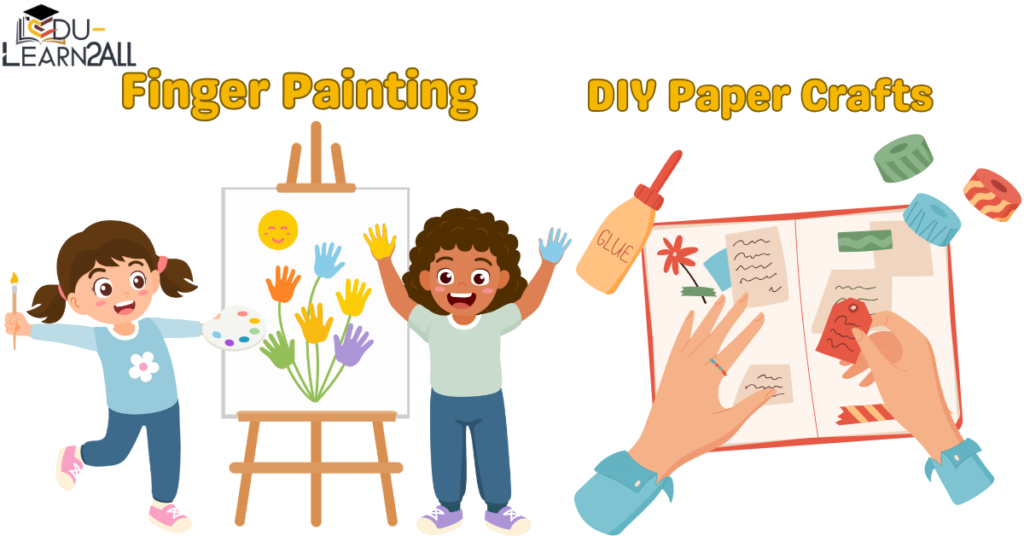
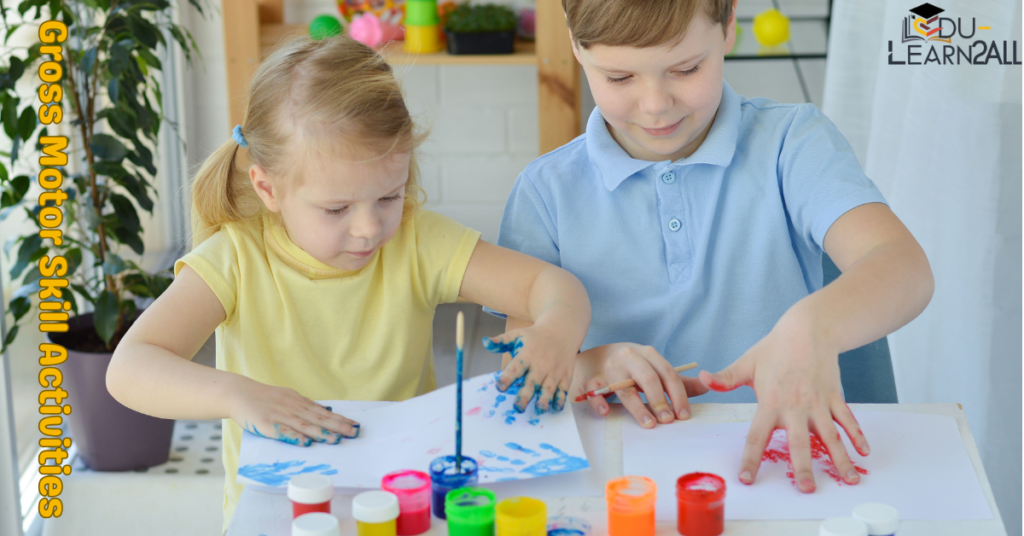
- Finger Painting: This messy but delightful activity allows children to explore colors and textures while improving fine motor skills. Provide them with non-toxic paints and large sheets of paper, and let their imaginations take over.
- DIY Paper Crafts: Simple activities like making paper snowflakes or creating handprint art encourage precision and creativity. These crafts can also be themed for holidays or seasons, making them even more engaging.
Simple Science Experiments
Preschoolers are natural scientists, curious about how the world works.
- Baking Soda and Vinegar Volcano: Create a mini-eruption using kitchen ingredients. This activity demonstrates a simple chemical reaction while leaving kids wide-eyed with wonder.
- Ice Melting Challenge: Hand children an ice cube and tools like salt or warm water and ask them to explore how to melt it fastest. It’s a hands-on way to learn about temperature and states of matter.
Building Block Creations Activities for Preschool
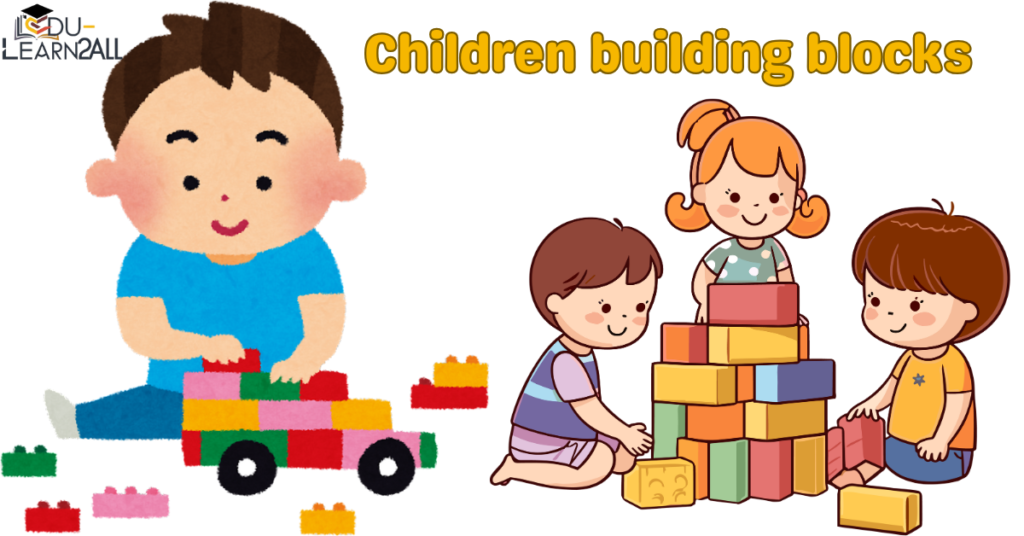
Provide preschoolers with some activity toys that they can play with. For example, give children building blocks to encourage them. Often children build a house using building blocks or build a bridge which solves the problems of children. Similarly, children’s balance and creativity can be tested. Give children difficult challenges to make the activity more interesting. Have the children either build a giant tower and a car out of building blocks.
Outdoor Activities for Preschoolers
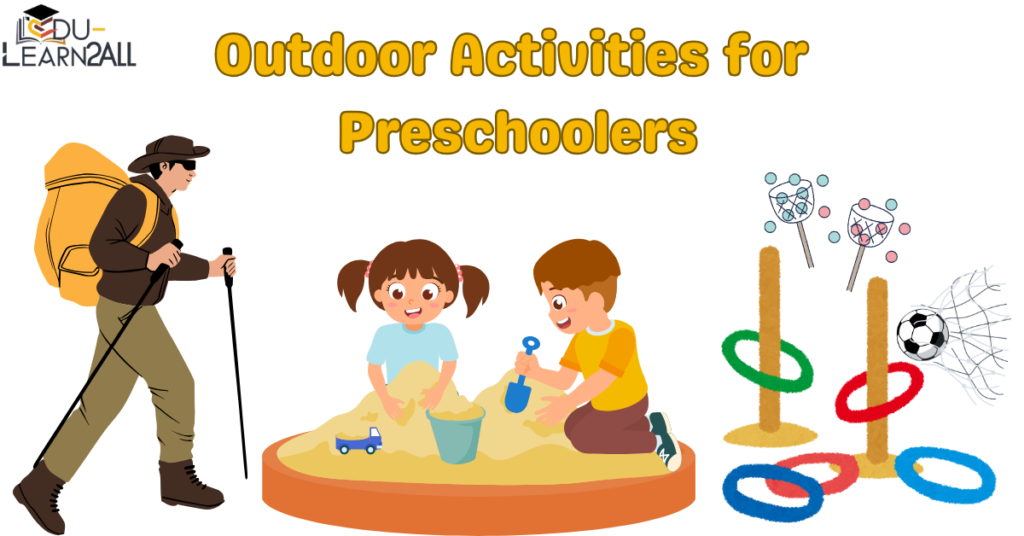
Activities for Preschool Fresh air and outdoor play are vital for a child’s overall well-being. These activities offer an opportunity to move, explore, and connect with nature.
Take preschoolers for a nature walk and make it an adventure. Make a simple scavenger hunt list with red leaves, feathers, and pinecones. This promotes observation skills while instilling a love of the outdoors.
Playing with Sand and Water
Whether at the beach or in a sandbox, youngsters can dig, pour, and create as they choose. Using buckets, molds, or sieves introduces concepts such as volume and texture. Water play, such as transporting water between containers, is both engaging and educative.
Simple Sports and Games Activities for Preschool
Mini-soccer and beanbag throw are two ways to introduce young children to the fundamentals of sports. Hand-eye coordination, gross motor abilities, and a feeling of fair play are all enhanced by these games. To guarantee that everyone has fun, keep the rules straightforward and encourage involvement.
Sensory Activities
Sensory activities engage a child’s senses, creating rich learning experiences while promoting relaxation and focus.
Exploring Textures with Sensory Bins
Make sensory containers with materials such as kinetic sand, pasta, or rice. Include tiny toys or items that kids can locate and recognize. The tactile senses are stimulated by the textures, and their interest is maintained by the element of discovery.
Cooking Activities for Sensory Exploration
Allow young children to assist with basic cooking duties like mixing batter or kneading dough. They learn about measurements and how to follow directions in addition to experiencing various textures.
Storytelling and Reading
Books are a gateway to magical worlds, and storytelling activities nurture a love for reading early on.
Interactive Storytime
Read books with colorful pictures and ask questions to involve children in the story. Encourage them to guess what happens next or mimic characters’ voices, making the experience lively and interactive.
Using Puppets and Props
Turn story time into a theater performance using puppets or props. Children can take turns acting out scenes, helping improve their communication skills and confidence.
Creative Play for Imagination Development
Activities for Preschool thrive when their imaginations are given free rein. Creative play activities not only entertain but also help in the development of critical thinking and social skills.
Role-Playing Games
Pretend play is a cornerstone of childhood development.
- Dress-Up and Pretend Play: Provide a box of costumes, hats, and props so kids can transform into chefs, doctors, or superheroes. This kind of role-playing helps them explore different roles and practice real-life scenarios in a fun way.
- Puppet Shows and Theaters: Create a simple puppet stage using a cardboard box and let the children craft their own puppets. Puppet shows allow kids to express emotions, build stories, and develop their language skills.
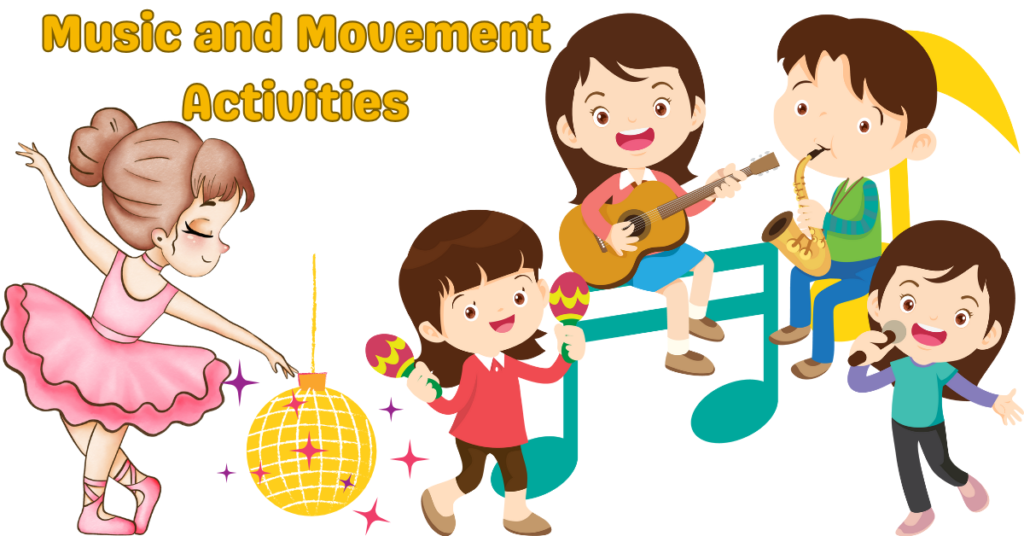
Music and Movement Activities
Music has a magical way of engaging preschoolers.
- Dancing Games: Turn on their favorite tunes and encourage freestyle dancing or games like freeze dance. This activity is perfect for burning energy and improving coordination.
- DIY Musical Instruments: Help children create shakers using rice and empty bottles or drums from old cans. Making and playing these instruments fosters creativity and rhythm awareness.
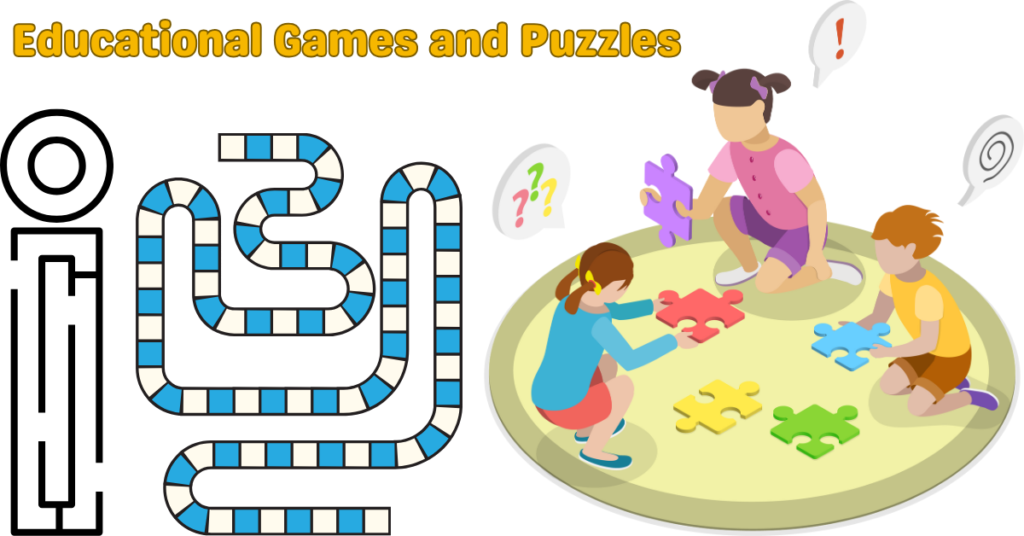
Educational Games and Puzzles
Interactive games make learning enjoyable.
- Matching Games: Use cards with pictures of animals, fruits, or letters to play matching games. This sharpens memory and boosts recognition skills.
- Jigsaw Puzzles: Choose puzzles with simple shapes or images. Completing a puzzle gives kids a sense of accomplishment and hones their problem-solving abilities.
Fine Motor Skill Activities
Fine motor activities strengthen small muscle groups in the hands, essential for writing and other precision-based tasks.
Threading Beads
Offer colorful beads and strings for threading. This activity improves hand-eye coordination, concentration, and patience. You can even use pasta for a creative and economical twist!
Cutting with Child-Safe Scissors
Cutting paper into shapes or following simple lines marked on paper is a fantastic way to improve fine motor control. Provide preschool-friendly scissors and thick paper for easy handling.
Gross Motor Skill Activities
Gross motor activities focus on large muscle movements and help develop coordination and balance.
Obstacle Course Challenges Activities for Preschool
Activities for Preschool Create a little obstacle course in your lawn or living area. Incorporate exercises like balancing on a beam, hopping over pillows, and crawling under chairs. These classes test children’s physical skills and keep them active.
Yoga for Preschoolers
Introduce the “tree” and “downward dog,” two fundamental yoga poses. Yoga is a great method for kids to unwind after a long day and enhances flexibility, focus, and calm.
Enhancing Learning Through Fun
Turning play into a learning opportunity ensures preschoolers develop essential academic skills without feeling pressured.
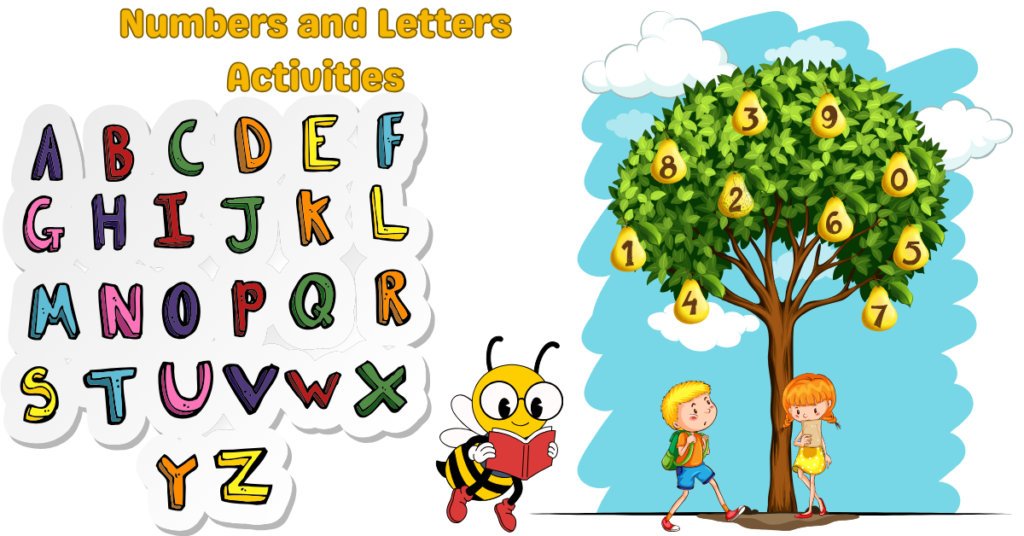
Numbers and Letters Activities
Interactive activities make learning numbers and letters a breeze.
- Alphabet Matching: Provide letter cutouts and ask children to match them to corresponding objects or flashcards.
- Counting with Everyday Objects: Use items like buttons, coins, or cereal to teach counting. This hands-on approach solidifies understanding and keeps learning practical.
Color and Shape Recognition Activities
Preschoolers learn best when they can see and touch what they’re learning.
- Sorting Games: Give children a mix of objects and ask them to sort by color or shape.
- Color Matching with Household Items: Encourage them to find objects around the house that match a specific color. It’s like a scavenger hunt with an educational twist.
Seasonal and Holiday Activities
Incorporating the magic of seasons and holidays makes activities memorable and exciting.
Making Handprint Turkeys
Children can trace their hands and decorate the contours with paint or feathers to make turkeys for Thanksgiving. It’s an enjoyable method to discuss seasonal customs and thankfulness.
Creating Paper Snowflakes
For snowflakes, cutting paper into elaborate patterns promotes symmetry and accuracy. Their confidence is increased and a festive touch is added when their crafts are displayed throughout the house.
Group Activities for Social Development
Group activities help preschoolers learn cooperation, sharing, and teamwork.
- Parachute Games: Using a large parachute or a bedsheet, play group games like bouncing a ball on the parachute or creating waves. These activities teach coordination and teamwork while ensuring lots of giggles.
- Musical Chairs: A classic favorite, musical chairs is great for teaching listening skills and spatial awareness. It’s also a wonderful opportunity to introduce concepts like fairness and sportsmanship.
Tips for Planning Activities
Planning activities with preschoolers in mind can be a rewarding experience if done thoughtfully.
Keeping it Age-Appropriate
Activities should always be modified to fit the developmental stage of the child. Steer clear of extremely difficult assignments and instead concentrate on easy, entertaining activities that enhance their current abilities.
Balancing Fun and Learning
Activities stay engaging by finding a balance between enjoyment and education. To keep kids interested throughout the day, switch between activities that require a lot of energy and those that require less.
Conclusion
More than just keeping them busy, activities for preschoolers foster their development, creativity, and abilities in an enjoyable and participatory manner. The options are endless, ranging from outdoor adventures to home crafts. In addition to providing entertainment, these activities give kids the skills they need for a successful and happy future.
FAQs
- What are the best activities for preschoolers?
Activities that combine fun and learning, like storytelling, sensory bins, or outdoor scavenger hunts, are ideal for preschoolers. - How can I make activities age-appropriate?
Tailor the complexity of activities to the child’s abilities, ensuring they can engage without frustration. - Why are sensory activities important?
Sensory activities stimulate multiple senses, aiding in cognitive development and calming overstimulated children. - How do outdoor activities benefit preschoolers?
Outdoor activities enhance physical fitness, encourage exploration, and foster a love for nature. - What are simple group activities for preschoolers?
Parachute games, musical chairs, and simple sports are excellent for developing social and cooperative skills.
