

Table of Contents
Meta Description Competency Based Curriculum
Discover a comprehensive guide on Competency Based Curriculum (CBC). Learn its features, importance, benefits, and implementation strategies to enhance modern education and skill-based learning. Perfect for educators, institutions, and policy makers.
Introduction to Competency Based Curriculum (CBC)
A Competency-Based Curriculum (CBC) represents a transformative approach to education that emphasizes the acquisition of clearly defined skills, knowledge, values, and attitudes. Unlike traditional systems focused solely on content coverage, CBC ensures that learners demonstrate mastery of competencies necessary for academic success, career readiness, and real-life problem-solving. As global education landscapes evolve, CBC emerges as a powerful framework that aligns learning outcomes with modern societal and workforce needs.
Understanding the Core Concept of Competency Based Curriculum
At the heart of competency-based education lies a simple yet powerful principle: learners progress based on mastery, not time spent in class. This model acknowledges that students learn at different paces and focuses on measurable performance indicators. CBC provides learners with flexibility, personalized pathways, and authentic learning experiences, ensuring that each student thrives according to their potential.
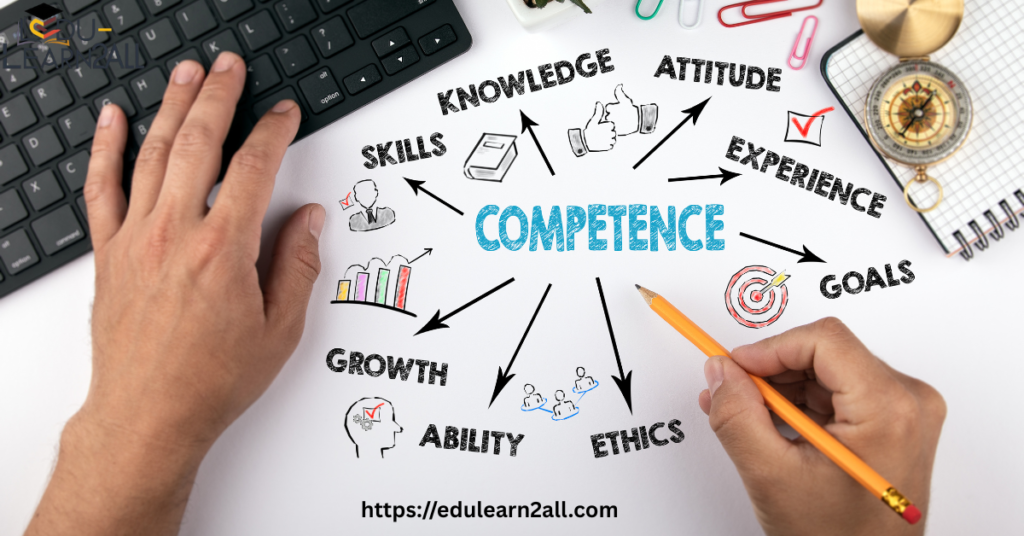
Key Features of a Competency Based Curriculum
A well-designed CBC integrates several distinct features that set it apart from traditional learning models.
1. Clearly Defined Learning Outcomes
CBC begins with explicit, measurable learning outcomes that detail what students must know and be able to do. These outcomes guide teaching strategies, assessments, and learning activities.
2. Mastery-Oriented Instruction
Students must show evidence of mastery before progressing to more complex competencies. This fosters deeper learning, eliminates gaps, and builds strong foundational understanding.
3. Personalized Learning Pathways
CBC recognizes individual differences in learning styles, interests, and pace. Educators adapt instruction to meet each learner’s needs, promoting self-directed learning and autonomy.
4. Continuous Feedback and Assessment
Assessments in CBC are ongoing, authentic, and aligned with real-world tasks. Feedback is constructive, guiding students toward continued growth and improvement.
5. Integration of Life Skills
CBC incorporates critical skills such as collaboration, creativity, communication, problem-solving, and critical thinking, preparing learners for future challenges.
6. Flexible Learning Environment
CBC supports learning that occurs inside and outside the classroom, emphasizing project-based learning, community engagement, and experiential activities.

The Importance of Competency Based Curriculum in Modern Education
The shift toward CBC is driven by the need for education systems to produce competent, adaptable, and innovative individuals. Today’s world demands more than memorized facts; it requires learners who can apply knowledge creatively and critically.
Enhancing Skill Development
CBC ensures a balanced integration of cognitive, emotional, and practical skills essential for personal and professional success.
Promoting Equity in Learning
By focusing on individualized learning pathways, CBC reduces disparities and ensures that every learner has the opportunity to master required competencies.
Strengthening Workforce Readiness
Competency-based learning aligns educational outcomes with industry needs, producing graduates who are job-ready with applicable skills.
Preparing Learners for Lifelong Learning
CBC cultivates adaptability and curiosity, encouraging learners to continuously acquire new competencies throughout their lives.

Components of a Competency Based Curriculum Framework
A robust CBC framework consists of interconnected components that work harmoniously to enhance learning outcomes.
1. Competency Standards
These are detailed descriptions of the knowledge, skills, and attitudes learners must demonstrate. Standards serve as the foundation for curriculum design and assessment.
2. Learning Resources and Instructional Materials
CBC utilizes interactive, learner-friendly materials, including digital content, project-based activities, and collaborative tasks.
3. Instructional Strategies
Teaching methods emphasize active learning, including discussions, simulations, role-playing, inquiry-based learning, and problem-based approaches.
4. Assessment Tools
Assessments measure mastery rather than rote memorization. These include:
- Performance tasks
- Portfolios
- Observation checklists
- Self and peer assessments
- Project presentations
5. Reporting and Documentation
CBC requires transparent reporting systems that showcase each learner’s mastery level and progress in an easy-to-understand format.
Steps for Implementing a Competency Based Curriculum
Effective implementation of CBC involves systematic planning and collaboration.
1. Identifying Competencies
Institutions must define essential competencies across subjects and grade levels that reflect regional, national, and global expectations.
2. Designing Learning Experiences
Educators craft meaningful learning activities that help students achieve and demonstrate competency mastery.
3. Developing Assessment Methods
Schools establish clear rubrics and criteria for evaluating student performance.
4. Training Teachers
Teacher capacity-building is critical. Educators must understand:
- CBC philosophy
- Instructional planning
- Differentiated instruction
- Assessment techniques
5. Monitoring and Evaluation
Regular tracking ensures the curriculum remains relevant and effective, addressing gaps and improving teaching strategies.

Challenges in Implementing Competency-Based Curriculum
Despite its advantages, CBC implementation may face obstacles such as:
Limited Teacher Training
Educators may require extensive training to shift from traditional methods to competency-based practices.
Resource Constraints
Schools may lack adequate digital tools, updated materials, or infrastructure for practical learning.
Resistance to Change
Transitioning to a new curriculum often meets resistance from teachers, students, or parents accustomed to traditional methods.
Complex Assessment Systems
Measuring mastery involves detailed evaluation strategies that demand time and expertise.
Benefits of Competency-Based Curriculum
The advantages of CBC are substantial and transformative.
Improved Academic Performance
Students achieve deeper understanding, leading to lasting academic success.
Greater Student Engagement
Hands-on learning increases motivation and fosters curiosity.
Strong Real-World Application
Learners gain practical skills applicable in real-life scenarios.
Holistic Development
CBC nurtures emotional intelligence, social skills, and ethical values alongside academic knowledge.
Enhanced Teacher-Student Interaction
Continuous assessment and personalized support strengthen relationships and boost student confidence.
Conclusion: The Future of Learning with Competency-Based Curriculum
The Competency-Based Curriculum stands as a cornerstone of modern education, ensuring that learners acquire relevant competencies for life, work, and society. Its emphasis on mastery, flexibility, and meaningful learning experiences makes CBC a powerful tool in shaping future-ready students. As institutions globally adopt this model, CBC continues to redefine excellence in education, creating pathways for lifelong success and holistic development.
Frequently Asked Questions (FAQs)
1. What is a Competency-Based Curriculum?
A Competency-Based Curriculum (CBC) is an educational approach where learners progress by demonstrating mastery of clearly defined skills, knowledge, and behaviors rather than by completing a set amount of time in class.
2. Why is Competency-Based Curriculum important?
CBC is important because it focuses on mastery, personalized learning, real-life skill development, and improved academic outcomes, making learners better prepared for future careers and lifelong learning.
3. How does CBC differ from traditional curriculum?
Traditional curricula emphasize content coverage and time-based progression, whereas CBC prioritizes skills mastery, flexible pacing, and continuous assessment aligned with real-world applications.
4. What are the key components of a CBC framework?
Major components include clearly defined competencies, instructional strategies, assessment tools, learning materials, and transparent reporting systems.
5. What skills does CBC help develop in learners?
CBC builds essential skills like communication, critical thinking, collaboration, creativity, problem-solving, and adaptability — all vital for future workforce success.
6. How is student progress measured in CBC?
Progress is measured using ongoing assessments, performance tasks, portfolios, rubrics, and observation tools to ensure mastery of competencies instead of relying only on exams.
7. What challenges exist in implementing CBC?
Common challenges include insufficient teacher training, limited resources, resistance to change, and complex assessment systems that require specialized planning.
8. Who benefits from Competency-Based Curriculum?
Students, teachers, parents, schools, and employers all benefit. CBC produces confident, capable learners with skills relevant to academic and professional success.
9. Is CBC suitable for all grade levels?
Yes. CBC can be applied at primary, secondary, and higher education levels, with competencies adjusted according to developmental stages.
10. What role do teachers play in CBC?
Teachers act as facilitators and mentors, guiding learners through personalized pathways, providing continuous feedback, and designing competency-aligned learning experiences.
