

Table of Contents
Meta Description
Discover how modern teacher evaluation systems strengthen instructional quality, enhance teacher growth, and improve student learning. Explore components, benefits, strategies, and expert FAQs
Introduction
Teacher evaluation systems have shifted dramatically in recent years. What was once a checklist-driven process has evolved into a comprehensive model focused on growth, collaboration, and instructional excellence. Schools today require evaluation systems that not only measure performance but also support educators in becoming more effective and confident in the classroom.
A well-designed evaluation system can transform teaching practices and directly influence student achievement. This article explores how modern evaluation systems work, why they matter, and what makes them essential in today’s educational landscape.
1. Understanding Teacher Evaluation Systems
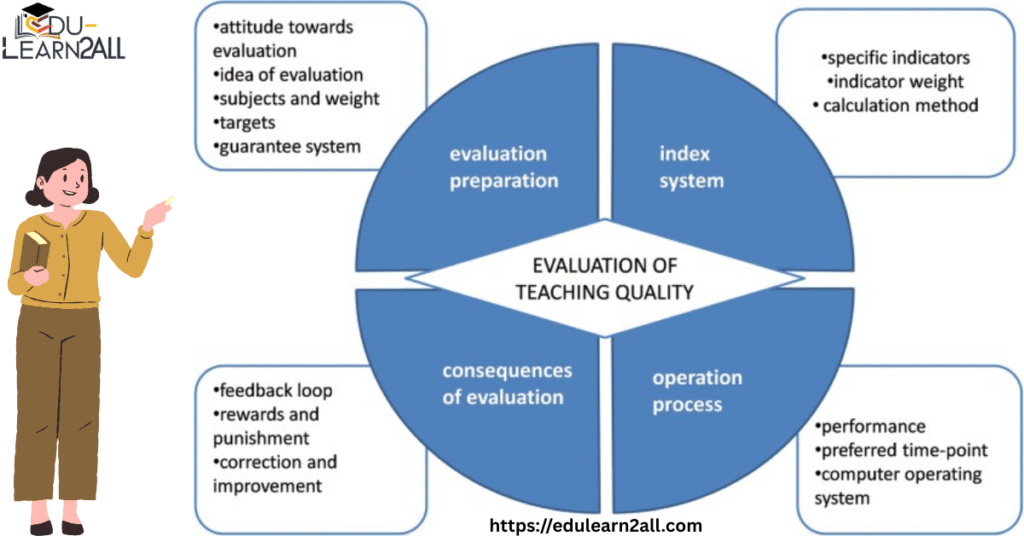
A teacher evaluation system is a structured, evidence-based framework used to assess an educator’s performance and instructional impact. These systems typically incorporate several elements, such as:
- Direct classroom observations
- Student learning indicators
- Instructional artifacts
- Teacher self-assessment
- Ongoing feedback and mentoring
The purpose is not merely to score performance but to create a culture of continuous professional improvement.

2. Core Elements of an Effective Evaluation System
a. Clear and Measurable Performance Standards
Educators need transparent teaching standards that define high-quality instruction. These standards serve as a guide for both teachers and evaluators, ensuring fairness and consistency.
b. Multiple Sources of Evidence
Relying on a single metric does not reflect the complexity of teaching. Modern systems analyze various forms of evidence—student work, lesson design, assessment strategies, and classroom interactions.
c. Action-Oriented Feedback
Feedback is most powerful when it is immediate, specific, and actionable. Effective systems prioritize frequent coaching conversations rather than annual performance summaries.
d. Aligned Professional Development
Evaluation outcomes should directly connect to training opportunities, workshops, and mentoring programs. This ensures that teachers receive targeted support that matches their professional goals.
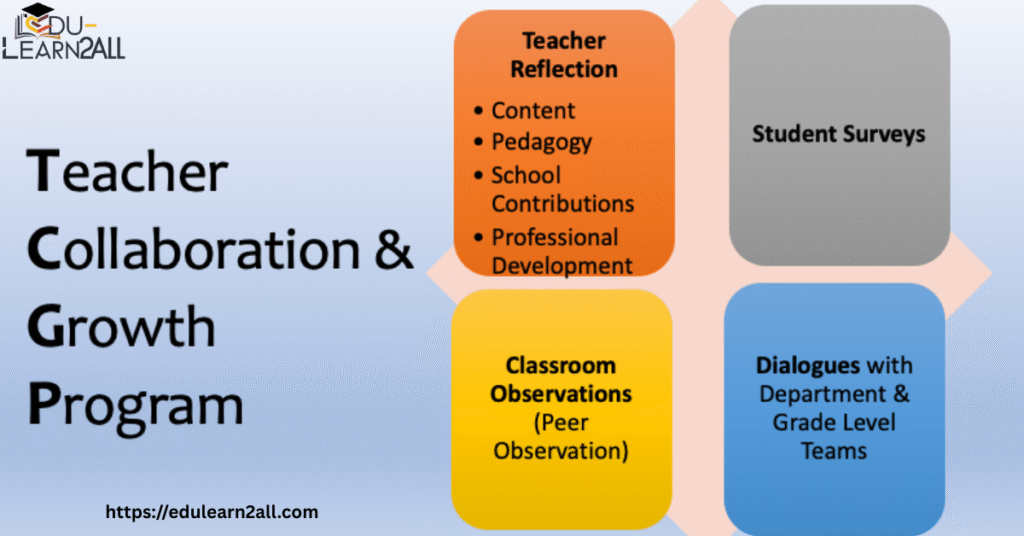
e. Teacher Voice and Reflection
When teachers participate in goal-setting and self-evaluation, they take ownership of their professional progress. This reflective practice encourages deeper engagement and long-term improvement.
3. Why Modern Teacher Evaluation Systems Matter
Improved Instructional Strategies
Evaluations help teachers identify strengths, discover new teaching approaches, and refine their instructional decisions.
Higher Levels of Student Achievement
When teachers improve their instructional methods, students benefit through increased engagement and stronger learning outcomes.
Enhanced School Culture
Collaborative evaluations promote trust, transparency, and shared responsibility within the school community.
Strategic Decision-Making for Administrators
Principals and school leaders gain valuable insights to shape staffing decisions, professional development plans, and school improvement initiatives.

4. Common Challenges and Smart Solutions
Even strong systems face obstacles such as:
- Time limitations
- Inconsistency in evaluator judgment
- Resistance to change
- Overreliance on test scores
These challenges can be reduced by:
- Training evaluators to use standardized rubrics
- Communicating expectations clearly
- Encouraging teacher participation
- Balancing qualitative and quantitative data
- Using technology for more efficient documentation
5. The Future of Teacher Evaluation Systems
The next generation of evaluation systems will use:
- Digital observation tools
- Data analytics for instructional trends
- AI-powered feedback
- Personalized learning plans for teachers
These innovations will help educators adapt to new teaching models, diverse learning styles, and the increasing demand for technology integration.
Conclusion
Modern teacher evaluation systems are more than performance checklists—they are powerful tools that shape the future of teaching and learning. By embracing multiple forms of evidence, prioritizing constructive feedback, and supporting ongoing professional growth, schools can build a high-performance teaching environment. When teachers feel supported and valued, their effectiveness increases, ultimately leading to stronger student outcomes and a more vibrant educational system.
Frequently Asked Questions (FAQs)
1. What makes a teacher evaluation system effective?
An effective system uses multiple measures, clear standards, ongoing feedback, and professional development connections.
2. Do teachers participate in the evaluation process?
Yes. Modern systems encourage reflective practice, goal-setting, and collaborative discussions with evaluators.
3. Are evaluations only based on student performance?
No. Student outcomes are just one component. Evaluations include observations, evidence of planning, classroom engagement, and more.
4. How does feedback improve teaching quality?
Feedback helps teachers understand their strengths, identify improvement areas, and apply new strategies immediately.
5. Can teacher evaluation systems help students?
Absolutely. When teachers receive meaningful support, their improved instruction leads to better student learning.
