
Introduction
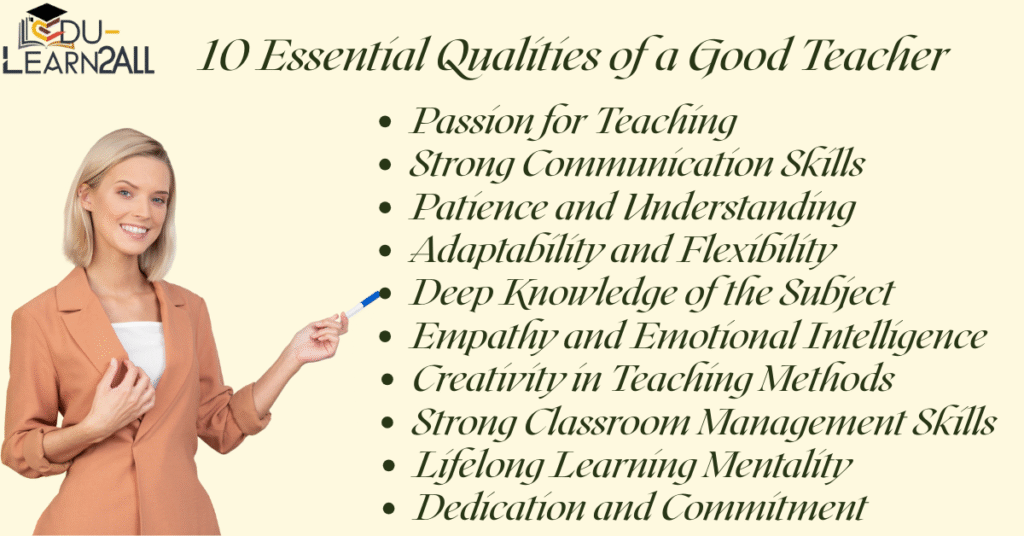
Qualities of a Good Teacher education is the foundation of a progressive society, and teachers play a pivotal role in shaping young minds. A great teacher doesn’t just impart knowledge—they inspire, motivate, and create a lasting impact on their students. But what makes a teacher truly exceptional? Below, we explore the 10 essential qualities of a good teacher that set them apart and contribute to effective learning.
1. Passion for Teaching
A great teacher is genuinely passionate about their subject and the act of teaching itself. This enthusiasm is contagious—students are more likely to engage and develop an interest in learning when they see their teacher’s excitement. Passion drives creativity in lesson planning and keeps teachers motivated even during challenging times.
2. Strong Communication Skills
Effective teaching relies on clear communication. Qualities of a Good Teacher explains complex concepts in simple terms, listens actively to students, and adapts their communication style to different learning needs. Whether verbal, written, or non-verbal, strong communication ensures that students understand and retain information better.
3. Patience and Understanding
Every student learns at their own pace, and a good teacher remains patient, offering support without frustration. They understand that mistakes are part of the learning process and provide constructive feedback to help students improve.
4. Adaptability and Flexibility
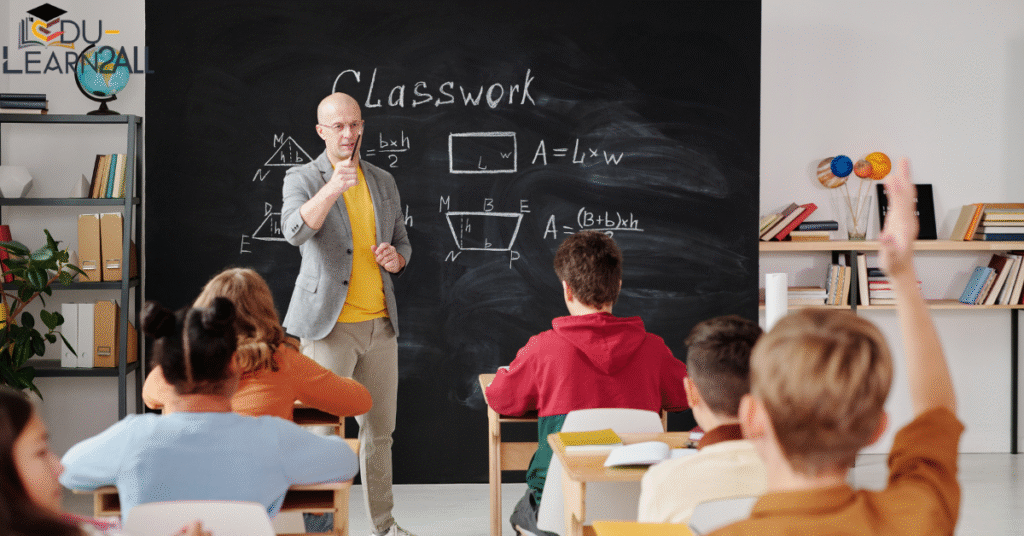
Classroom dynamics can change rapidly, and a great teacher adapts their methods accordingly. Whether it’s modifying lesson plans for different learning styles or handling unexpected disruptions, flexibility ensures that all students receive the best possible education.
5. Deep Knowledge of the Subject
A teacher must have a thorough understanding of their subject to explain concepts clearly and answer student questions confidently. Continuous learning and staying updated with the latest developments in their field also contribute to their credibility.
6. Empathy and Emotional Intelligence
Great teachers recognize their students’ emotional and social needs. They build trust by showing empathy, offering encouragement, and creating a safe space where students feel valued. Emotional intelligence helps in managing classroom behavior and fostering positive relationships.

7. Creativity in Teaching Methods
Monotonous lectures can disengage students. Innovative teachers use interactive activities, multimedia, real-world examples, and hands-on projects to make learning fun and effective. Creativity keeps students interested and enhances retention.
8. Strong Classroom Management Skills
A well-managed classroom ensures a productive learning environment. Good teachers establish clear rules, maintain discipline without being overly strict, and use positive reinforcement to encourage good behavior.
9. Lifelong Learning Mentality
The best teachers never stop learning. They attend workshops, pursue further education, and stay curious about new teaching techniques. This growth mindset inspires students to adopt the same attitude toward learning.
10. Dedication and Commitment
Teaching is not just a job—it’s a calling. Exceptional teachers go beyond the classroom, offering extra help, mentoring students, and investing time in their professional development. Their dedication leaves a lasting impression on students’ lives.

Conclusion Qualities of a Good Teacher
The qualities of a good teacher extend far beyond academic knowledge. Passion, communication, patience, adaptability, and empathy are just a few traits that define an outstanding educator. By embodying these qualities, teachers can inspire, motivate, and shape future generations effectively.
FAQs: Qualities of a Good Teacher
1. What is the most important quality of a good teacher?
While all qualities are essential, passion for teaching stands out as the most critical. A passionate teacher inspires students, makes learning enjoyable, and stays motivated even during challenges.
2. How does patience contribute to effective teaching?
Patience allows teachers to:
- Guide struggling students without frustration
- Provide individualized support
- Create a positive and stress-free learning environment
3. Why is adaptability important for teachers?
Classrooms are dynamic, and students have diverse learning needs. Adaptable teachers can Qualities of a Good Teacher:
- Modify lessons for different learning styles
- Handle unexpected disruptions smoothly
- Incorporate new teaching technologies
4. Can emotional intelligence improve teaching effectiveness?
Yes! Teachers with high emotional intelligence:
- Build stronger student-teacher relationships
- Manage classroom behavior effectively
- Recognize and address students’ emotional needs
5. How can teachers improve their communication skills?
- Use simple, clear explanations
- Encourage student questions and discussions
- Incorporate visual aids and real-life examples
6. What role does creativity play in teaching?
Creative teaching methods Qualities of a Good Teacher:
- Make lessons more engaging
- Help students retain information better
- Cater to different learning preferences (visual, auditory, kinesthetic)
7. How does a teacher’s subject knowledge impact students?
Deep subject knowledge allows teachers to:
- Explain concepts clearly and confidently
- Answer student questions accurately
- Provide real-world applications of lessons
8. Why is classroom management important?
Effective classroom management ensures:
- A disciplined yet welcoming environment
- Minimal disruptions, maximizing learning time
- Positive student behavior through clear expectations
9. How can teachers stay updated with new teaching methods?
- Attend workshops and training programs
- Join professional teaching communities
- Follow educational research and trends
10. What makes a teacher truly memorable?
Memorable teachers go beyond textbooks—they inspire, mentor, and leave a lasting impact by:
- Showing genuine care for students
- Encouraging curiosity and critical thinking
- Leading by example with dedication and enthusiasm
